
Budget Matters Blog
Entries By Mattea Kramer
Tax Day 2014: GE's Tax Loopholes and Unemployment Benefits
By
Mattea Kramer
Posted:
|
Social Insurance, Earned Benefits, & Safety Net,
Taxes & Revenue

This year's Tax Day brings startling numbers about how tax loopholes allowed General Electric to avoid paying billions in taxes.
Congress May Extend Corporate Tax Breaks But Not Unemployment Benefits
By
Mattea Kramer
Posted:
|
Budget Process,
Social Insurance, Earned Benefits, & Safety Net,
Taxes & Revenue

If you want a story about the illogic that rules Washington, look no further than this.
Federal Spending Matters in Your State
By
Mattea Kramer
Posted:
|
Education,
Health Care,
Social Insurance, Earned Benefits, & Safety Net,
Transparency & Data
Does the federal budget affect lunchtime for the kids in your neighborhood? You might be surprised at the answer.
Where Did My Tax Dollars Go?
By
Mattea Kramer
Posted:
|
Education,
Health Care,
Military & Security,
Social Insurance, Earned Benefits, & Safety Net,
Taxes & Revenue
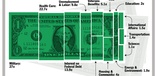
It's that time of year. Taxes are due on April 15. But where do our tax dollars actually go? Here's the answer.
The President's Budget in Pictures
By
Mattea Kramer
Posted:
|
Budget Process,
Debt & Deficit,
Education,
Health Care,
Military & Security,
Social Insurance, Earned Benefits, & Safety Net,
Taxes & Revenue

Today we released The President's 2015 Budget in Pictures, a series of colorful charts telling the story of the priorities in the president's budget.
The Pentagon’s Phony Budget War, Or How the U.S. Military Avoided Budget Cuts, Lied About Doing So, Then Asked for Billions More
By
Mattea Kramer
Posted:
|
Military & Security

How the U.S. Military Avoided Budget Cuts, Lied About Doing So, Then Asked for Billions More
National Priorities Project Reacts to President's Fiscal Year 2015 Budget
By
Jo Comerford
,
Mattea Kramer
,
Jasmine Tucker
Posted:
|
Budget Process,
Debt & Deficit,
Education,
Health Care,
Military & Security,
Social Insurance, Earned Benefits, & Safety Net,
Taxes & Revenue,
Transparency & Data

President Obama today released his $3.9 trillion fiscal 2015 budget proposal, a plan that includes new manufacturing institutes, job training, and the president’s signature initiative of universal pre-kindergarten education. Here are the highlgihts of what the budget contains.
Secretary Hagel's Cuts Don’t Translate into Less Spending
By
Mattea Kramer
Posted:
|
Military & Security

Yesterday Secretary of Defense Chuck Hagel gave a major speech at the Pentagon, and a bold headline ran in The New York Times announcing that the Pentagon would shrink the Army to pre-World War II levels. While the speech did announce cutbacks in a number of military programs, the Pentagon isn’t planning any major reductions in spending any time soon.
Debt Ceiling Deadline 2014
By
Mattea Kramer
Posted:
|
Budget Process,
Debt & Deficit
A few glimmers of hope came from Washington in recent months. Lawmakers agreed on a bipartisan budget resolution.
What President Obama's State of the Union Said about Your Priorities
By
Mattea Kramer
Posted:
|
Budget Process

Yesterday we published your priorities for the State of the Union – what you told us, by social media and e-mail, that you wanted the president to tackle in his speech.