
Budget Matters Blog
Category: Education
Elementary, secondary, higher and vocational education.
7 Progressive Policy Wins for Human Needs Over Militarism
By
Hanna Homestead
Posted:
|
Education,
Health Care,
Immigration

This Election Day, progressive ideas swept the polls this month on Election Day. Across multiple elections at the state and local government levels, voters chose pro-people and planet agendas over militarism, fossil fuels, and billionaire corporate interests.
The Trillion Dollar Trade Off: War & Weapons VS. Basic Needs
By
Hanna Homestead
Posted:
|
Budget Process,
Climate Change,
Education,
Health Care,
Military & Security,
Social Insurance, Earned Benefits, & Safety Net

President Trump is requesting a record-high $1.01 trillion “defense” budget for FY 2026 while gutting federal agencies and social services that actually keep the country safe – things like clean air and water protection, Medicaid, child nutrition, the Department of Education, green energy, and so much more. The U.S. already...
Relieving All Student Debt Would Cost as Much as the F35 Jet Fighter
By
Ashik Siddique
Posted:
|
Education,
Military & Security

Total student loan debt in the United States amounts to $1.7 trillion — that's already how much the Pentagon is set to spend on its most expensive weapon system, the F-35 jet fighter.
From the Climate Crisis to the COVID-19 Pandemic, Our Militarized Budget Fuels Injustice
By
Samantha Garcia
Posted:
|
Climate Change,
Education,
Health Care,
Military & Security

While climate change fuels migration, the United States hardens its southern border instead of investing in real sources of safety for people in this country and around the world.
Ending the School to Prison Pipeline
By
Guest Blogger
Posted:
|
Education

Many school districts are deciding that police in classrooms cause more problems than they solve.
Introducing the Poor People's Moral Budget: Everybody Has the Right to Live
By
Lindsay Koshgarian
,
Ashik Siddique
Posted:
|
Budget Process,
Education,
Health Care,
Military & Security,
Social Insurance, Earned Benefits, & Safety Net,
Taxes & Revenue
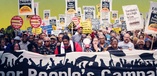
For the 140 million people who are poor, or one emergency away from being poor, we know it's necessary to present a comprehensive response to the systemic racism, poverty, ecological devastation, militarism, and war economy plaguing our country today. This Poor People’s Moral Budget asks, given the resources of our society, whether these demands are also possible. Our answer is a resounding yes.
Your taxes provided $48 billion to Lockheed Martin. And some other stuff.
By
Lindsay Koshgarian
Posted:
|
Budget Process,
Education,
Health Care,
Military & Security,
Social Insurance, Earned Benefits, & Safety Net,
Taxes & Revenue
April 15, 2019 is Tax Day. Do you know where your tax dollars are? Here's a hint: military contractors cost the average taxpayer more than the price of a new Macbook Pro, but public housing costs the average taxpayer less than a curling iron from Wal-Mart. The average American paid...
Nine Things to Buy with $5 Billion Instead of a Border Wall
By
Lindsay Koshgarian
Posted:
|
Budget Process,
Education,
Health Care,
Military & Security

President Trump has said that he will veto any bill that doesn’t give him the $5 billion he has demanded for his border wall.
Meet Your Member of Congress this April
By
Lindsay Koshgarian
Posted:
|
Budget Process,
Education,
Health Care,
Military & Security,
Social Insurance, Earned Benefits, & Safety Net,
Taxes & Revenue

Congress is in "recess" from April 7 to April 21, 2017. That means that members of Congress are home in their states or districts -- and they're ready to meet with you.
What if We Took $54 Billion From the Pentagon, Instead?
By
Lindsay Koshgarian
Posted:
|
Budget Process,
Education,
Health Care,
Military & Security

Trump wants to take $54 billion from human needs and give it to the military. What if we did the reverse?