
Budget Matters Blog
Three Ways Movements Are Building Solidarity to Resist ICE
By
Alliyah Lusuegro
Posted:
|
Immigration,
Military & Security

Across different issue areas and walks of life, people are taking a stand against Trump's dangerous mass deportation agenda. Here are three examples of what that looks like.
$54 Billion for Killer Robots? A Look Into DAWG
By
Guest Blogger
Posted:
|
Budget Process,
Military & Security

Trump wants $54.6 billion for autonomous weapons systems. Congress should work to defeat this spending proposal, end the war on Iran, and slow the march toward robotic warfare.
Another $88 billion for the Iran war? Fund human needs, instead.
By
Hanna Homestead
Posted:
|
Budget Process

The $88 billion Trump is requesting for endless war to profit weapons contractors and his cabal of corporate cronies should be helping people instead.
Our federal budget is showing us that Congress is putting ICE first and families last. It should be the other way around.
By
Alliyah Lusuegro
Posted:
|
Budget Process,
Immigration

Trump's mass deportations and detention agenda has been granted a total of $240 billion through 2029. This money could do wonders for millions of families by funding healthcare, food, and education.
Each missile the Pentagon buys to commit war crimes abroad could fund critical services at home
By
Hanna Homestead
Posted:
|
Military & Security,
Social Insurance, Earned Benefits, & Safety Net
Trump's FY 2027 Pentagon budget request includes $95 billion for munitions, which - if passed - would be 20% more than the U.S. Department of Education’s entire 2026 discretionary budget. Each of the missiles the Department of War wants to produce cost millions of taxpayer dollars. To break down the enormity of these per-unit costs, we provide examples of social programs that could be funded for the price of a single PrSM, Tomahawk, and THAAD missile, sourced from the National Priorities Project’s trade-off calculator.
The World’s First Conference to End Fossil Fuels Must Address Militarism, Too
By
Guest Blogger
,
Alliyah Lusuegro
Posted:
|
Climate Change,
Military & Security

Fossil fuels and militarism are part of the same architecture of power. To combat climate change, governments must be willing to challenge both.
Trump's Budget Has Endless Funds for War, but Not Much to Help Americans
By
Lindsay Koshgarian
Posted:
|
Military & Security

The president’s budget request throws the vast wealth of this country in the hands of weapons contractors while providing almost nothing for struggling Americans. It requests a $445 billion, or 42 percent, increase for war, bringing the total war budget to an unprecedented $1.5 trillion.
Hegseth's Request for $200 Billion for Iran War Should Go To Needy Americans
By
Lindsay Koshgarian
Posted:
|
Military & Security
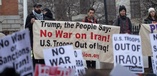
Our tax dollars should be helping struggling Americans, not feeding new forever wars.
$1 Billion a Day for War in Iran Could Help Every Family Who Needs Healthcare and Food Stamps
By
Lindsay Koshgarian
,
Alliyah Lusuegro
Posted:
|
Health Care,
Military & Security
According to a recent estimate, daily Iran war costs of $1 billion/day would be able to fully cover: Medicaid for all 16 million people expected to lose it as a result of GOP budget cuts, AND food stamps for all 41 million people who rely on them.
Not Another Dollar for the U.S. War on Iran
By
Hanna Homestead
Posted:
|
Military & Security
Our tax dollars should support families, not bomb them.