
Federal Budget Analysis
How Many People In Every State and Congressional District Could Have Medicaid or SNAP Instead of $150 Billion for the Pentagon?
 June 2, 2026
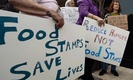
Instead of more funding for weapons and war, Americans deserve a government that supports them when times are tough. In fact, the cost to provide Medicaid to 14 million Americans at risk of losing their insurance AND provide SNAP benefits to the 3.5 million who have already lost benefits amounts to less than the Pentagon’s $156 billion bonus – just $116 billion.
Tax Day 2026: Taxpayers Are Paying More than $4,000 for War
 April 9, 2026
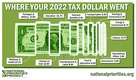
In 2025, the average taxpayer paid $4,049 and worked 50 days to pay their taxes for war and weapons.
Also Includes:
How Many People In Every State and Congressional District Could Have Medicaid or SNAP Instead of $200 Billion for War on Iran?
 March 30, 2026
Instead of prolonging this war - or enabling the next one - with more funds, Americans deserve a government that supports them when times are tough.
FACT SHEET: How much is the war in Iran costing taxpayers?
 March 3, 2026
Daily operations in and around Iran for major military systems are costing taxpayers an estimated $59.39 million per day.
What Do Trump’s National Guard Deployments Cost?
 Nov. 12, 2025
Our latest estimate shows sending the National Guard to U.S. cities has cost taxpayers nearly half a billion dollars through mid-November.
PAMPHLET: Divest from Violence! Invest in People and the Planet
 Nov. 5, 2025
The climate crisis and militarism are two of the most urgent threats we face, and they are deeply connected. Militarism fuels environmental destruction and accelerates climate change, and the climate crisis intensifies conflict and violence.
Also Includes:
FACT SHEET: Taxpayer Trade Offs: D.C. Occupation vs. Public Housing
Aug. 21, 2025
Deploying the National Guard against D.C.’s unhoused population costs four times more than simply housing them. And that’s true across the country.
10 Terrible Ways the GOP Budget Causes Harm
 July 8, 2025
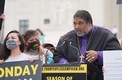
The new law slashes vital services to pay for tax cuts for the rich and massive hikes in military and deportation funding.
Trump's Unhinged Attack on Iran
June 21, 2025
President Trump’s unconstitutional act of war on Iran puts the U.S. and world at grave risk of another U.S. war of choice in the Middle East.
Trading Life for Death: What the Reconciliation Bill Puts at Stake in Your State
May 22, 2025
The current reconciliation bill proposes a historic $150 billion spending increase for the Pentagon and a $151.3 billion increase for mass deportation in the next few years.